 Pin It
 There's something magical about the first time you discover that noodles don't have to be hot to be absolutely craveable. I was standing in my tiny kitchen on a sweltering July afternoon, leftovers staring back at me, when I decided to pour a creamy sesame sauce over cooled noodles just to see what would happen. The result was so silky and satisfying that I've been making these cold sesame noodles ever since, especially when the heat makes the thought of standing over a stove feel impossible.
My partner came home during a heat wave and practically collapsed at the kitchen table, so I dumped this bowl in front of him with zero ceremony. He took one bite, looked up with surprise, and asked if I'd ordered from somewhere fancy. Watching someone you care about suddenly perk up because of something you made, especially on a brutal day, that's the real magic of this dish.
Ingredients
- 350 g wheat noodles or spaghetti: Any neutral noodle works beautifully here—I've used regular pasta, ramen noodles, and buckwheat noodles all with great results, depending on what I had on hand.
- 1 tbsp sesame oil (for noodles): This keeps them from clumping together while they cool, and it adds a whisper of flavor that makes the difference.
- 4 tbsp tahini or Chinese sesame paste: This is the creamy backbone of the sauce; if your tahini is very thick, it'll whisk more smoothly if it's at room temperature.
- 2 tbsp smooth peanut butter: Don't skip this—it rounds out the flavor and creates incredible richness without any heaviness.
- 3 tbsp low-sodium soy sauce: Low-sodium lets the sesame flavors shine without overwhelming salt, though I've adjusted up or down depending on what I'm adding as toppings.
- 2 tbsp rice vinegar: This brightens everything and keeps the sauce from tasting flat, even if you're using it the next day.
- 1 tbsp honey: A touch of sweetness that balances the salt and nuttiness perfectly.
- 1 tbsp toasted sesame oil: The star of the show—use the toasted kind, not light sesame oil, because it actually tastes like something.
- 2 cloves garlic, finely grated: Grating rather than mincing gives you more garlic flavor distributed throughout, and it dissolves into the sauce beautifully.
- 1 tbsp fresh ginger, grated: Fresh is non-negotiable here; it adds warmth and brightness that processed ginger can't match.
- 1–2 tsp chili oil (optional): This is where you control the heat—add it to taste, or leave it out entirely if you prefer something gentle.
- 3–5 tbsp cold water: Start with less and add gradually; you want the sauce to coat the noodles, not drown them.
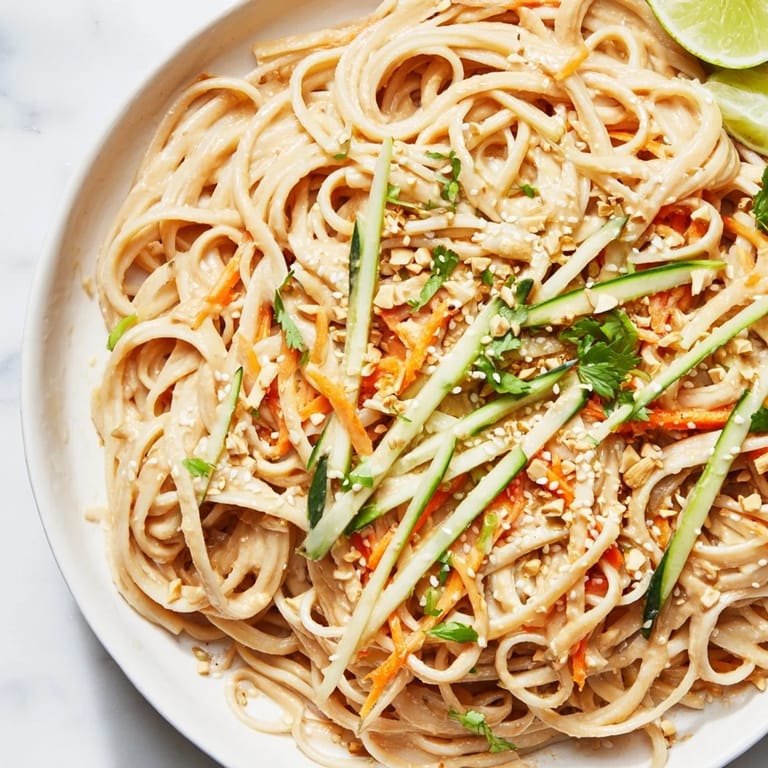
- 1 medium cucumber, julienned: The coldness and crispness of raw cucumber against the creamy sauce is what makes people come back for more.
- 2 medium carrots, julienned: Sweet, crunchy, and visually they make the bowl look vibrant—these deserve to be thin so they don't overpower.
- 2 spring onions, thinly sliced: A sharp, fresh note that cuts through the richness and makes each bite feel alive.
- 2 tbsp toasted sesame seeds: Toasted, not raw—they taste so much more like themselves and add a pleasant texture.
- 1 handful fresh cilantro, chopped: Some people skip this, but it adds an herbal edge that feels necessary to me.
- Crushed roasted peanuts (optional): If you want extra crunch and a bit more richness, scatter these on top.
- Lime wedges (optional): A squeeze at the end brightens everything and makes the whole bowl feel more vibrant.
Tired of Takeout? 🥡
Get 10 meals you can make faster than delivery arrives. Seriously.
One email. No spam. Unsubscribe anytime.
Instructions
- Cook and cool the noodles:
- Bring a large pot of water to a rolling boil and cook the noodles according to package instructions—you want them tender but not mushy. Drain them into a colander and immediately run cold water over them while stirring gently, keeping going until they're completely cool to the touch. Toss with 1 tbsp sesame oil and set them aside to keep them from sticking together.
- Build the sauce:
- In a medium bowl, whisk together the tahini, peanut butter, soy sauce, rice vinegar, honey, toasted sesame oil, garlic, and ginger until they start to come together. Add the chili oil if you like heat, then begin whisking in cold water one tablespoon at a time until the sauce is smooth, creamy, and pourable—this usually takes about 3 to 4 tablespoons, but it depends on how thick your tahini is.
- Combine noodles and sauce:
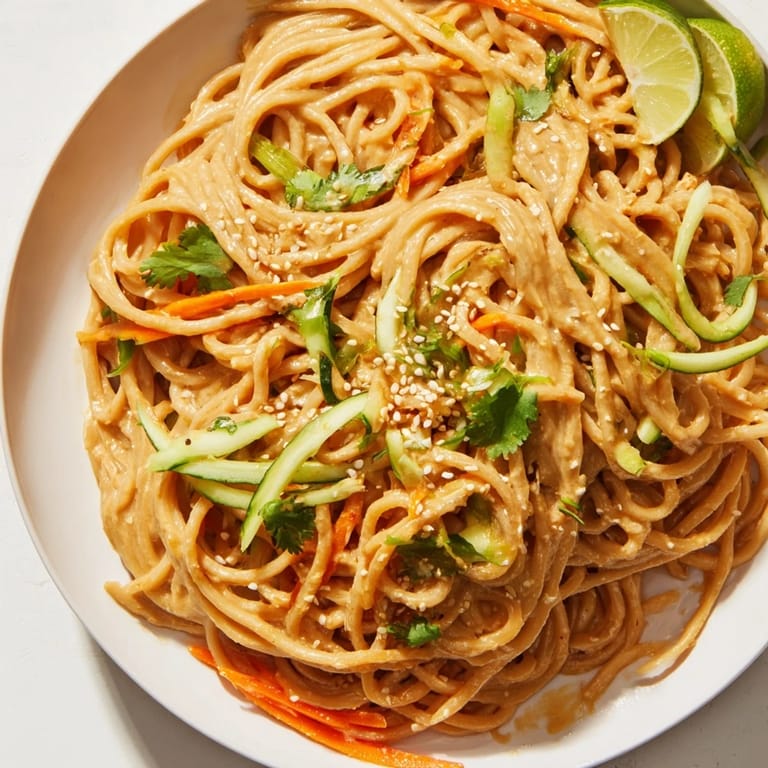
- Pour the sauce over your cooled noodles in a large bowl and toss thoroughly with a fork or chopsticks until every strand is coated evenly. Don't be shy with the tossing; this is where the magic happens.
- Plate and top:
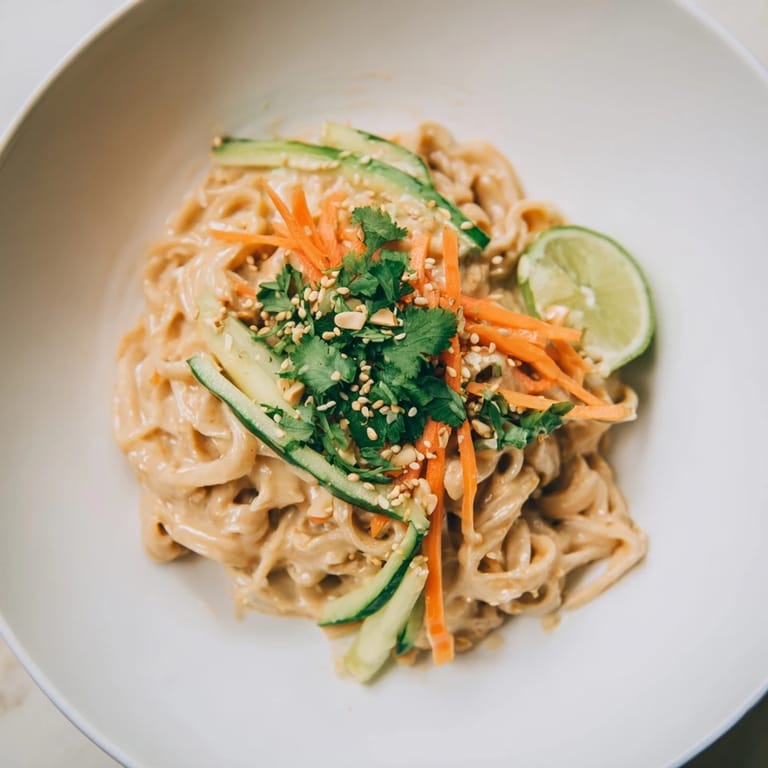
- Divide the noodles among serving bowls and arrange your vegetables and toppings in clusters around each bowl—the visual presentation makes people want to dig in. Sprinkle with sesame seeds and cilantro, add peanuts if using, and place a lime wedge on the side for people to squeeze over as they like.
- Chill and serve:
- If you have time, let everything sit in the refrigerator for 10 to 15 minutes so all the flavors settle and deepen, though you can absolutely serve it right away if hunger wins out.
 Pin It
 My mom tried this once and said it reminded her of a dish she'd eaten in a restaurant years ago but never found again. She started making it every week that summer, and eventually her whole book club wanted the recipe. There's something about feeding people something unexpected and delicious that creates a small moment of joy—that's what this bowl does.
The Sauce Makes Everything
I used to think cold noodle dishes were just plain noodles with toppings, but this sauce changes everything. The combination of tahini, peanut butter, and sesame oil creates something that tastes luxurious and satisfying despite being totally plant-based. Once you taste how the sesame flavors work together, you'll understand why this sauce is worth making even just for vegetables or rice.
Make It Your Own
The beauty of this dish is that it welcomes whatever you have in your kitchen. On different nights I've added shredded rotisserie chicken, pan-seared tofu, cooked shrimp, steamed broccoli, or even sliced cucumber combined with avocado. The sauce holds everything together, and the fresh vegetables become your canvas for creativity. Don't feel locked into my exact vegetable choices—swap in bell peppers, snap peas, cabbage, or whatever feels right.
Storage and Leftovers
This is one of those rare dishes that actually tastes better the next day once the flavors have had time to meld together. You can keep it in the refrigerator for up to three days, though I usually add fresh toppings the morning I'm eating it so they stay crisp and don't absorb too much moisture. If the sauce thickens too much overnight, a splash of cold water and a quick toss brings it back to life.
- Store the noodles and sauce together in an airtight container so they stay moist and flavorful.
- Keep your vegetable toppings separate and add them fresh each time you eat, so you preserve that satisfying crunch.
- If you're meal prepping, this dish practically begs to be made ahead, and it travels beautifully in a container for work or picnics.
 Pin It
 Somewhere between the satisfying slurp of cool noodles and the moment someone asks for the recipe, you realize this simple bowl has become something special. It's the kind of dish that feeds you well and makes hot days feel manageable again.
Recipe Questions & Answers
- → Can I substitute the noodles for a gluten-free option?
Yes, using gluten-free noodles and tamari instead of soy sauce creates a fully gluten-free dish without sacrificing flavor.
- → How do I adjust the sauce consistency?
Add cold water gradually to reach a smooth, creamy, but pourable sauce texture suited to your preference.
- → Is it possible to add protein to this dish?
Absolutely; shredded cooked chicken, tofu, or shrimp can be included to boost protein content.
- → What are good drink pairings?
Chilled white wine or iced green tea complement the flavors and refresh the palate nicely.
- → How should the noodles be prepared for best results?
Cook noodles as directed, rinse under cold water to cool, then toss with sesame oil to prevent sticking before mixing with the sauce.