 Pin It
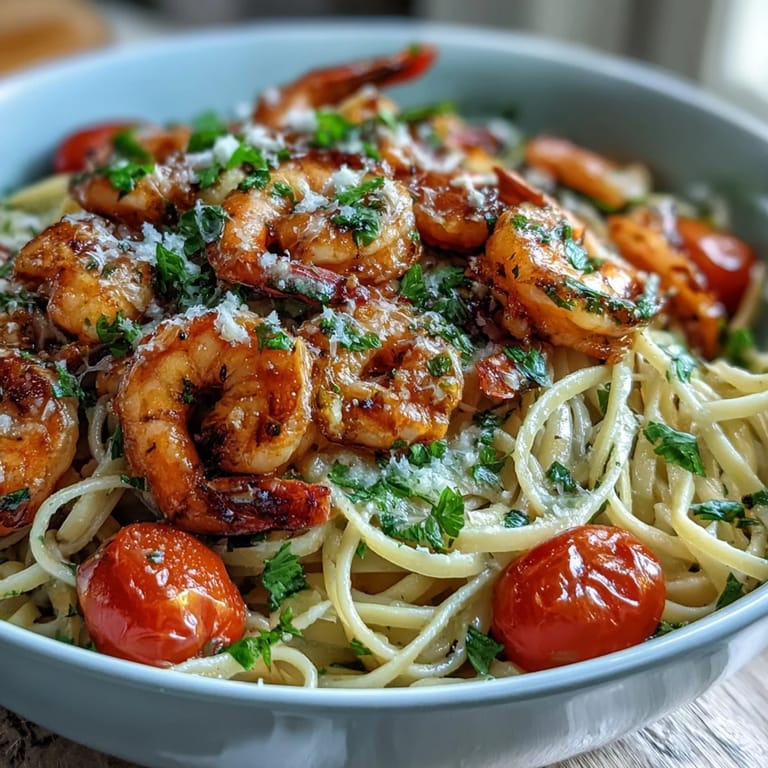
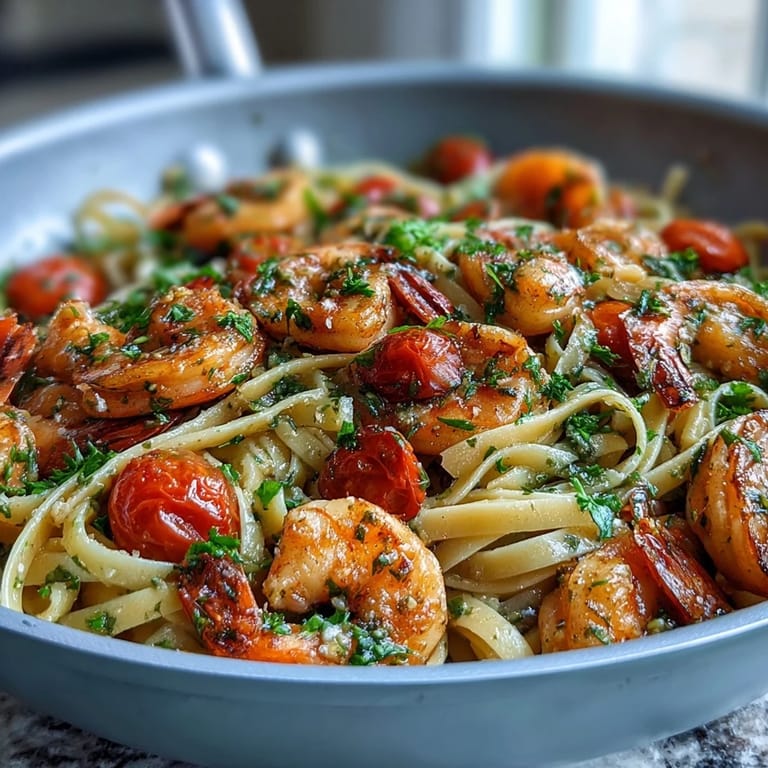
 There's a particular magic in the moment when you realize you can make restaurant-quality pasta at home without dirtying half your kitchen. A friend called me one April evening asking what to cook for a dinner date, and I found myself describing this one-pot wonder almost by accident—shrimp, garlic, fresh vegetables, all mingling in a silky lemon broth with angel hair pasta. She made it that night and texted me a photo of the steam rising from the skillet, golden and fragrant, and I knew I'd shared something special.
I made this on a Wednesday night when the weather suddenly felt warm, and my partner came home to find the kitchen smelling like lemon and garlic in the most irresistible way. We ate it straight from the skillet because we couldn't be bothered to plate it properly, just kept twirling it onto forks and stealing bites from each other. That's when I knew this recipe had crossed from useful to essential.
Ingredients
- Large shrimp, peeled and deveined: Look for ones that are firm and slightly sweet-smelling; frozen works beautifully if you thaw them gently under cold running water beforehand.
- Angel hair pasta: This delicate thickness is key because it cooks quickly in the broth and doesn't overpower the shrimp or vegetables.
- Cherry tomatoes, halved: They burst slightly as they cook, releasing their bright flavor into the sauce and adding natural sweetness.
- Snap peas, trimmed: These stay crisp-tender and provide a satisfying textural contrast that makes each bite interesting.
- Baby spinach: Stir it in at the very end so it wilts gently and keeps its vibrant color and delicate flavor.
- Zucchini, sliced: Cut into half-moons so they cook evenly and blend seamlessly with everything else.
- Fresh parsley and green onions: These are your flavor lifts at the finish, so don't skip them even if you're in a hurry.
- Garlic, minced: Four cloves might sound like a lot, but they mellow into something sweet and aromatic rather than sharp or overwhelming.
- Extra virgin olive oil: Use something you actually enjoy tasting because it becomes the foundation of your sauce.
- Lemon zest and juice: The zest gives you bright, fragrant oils while the juice adds acidity that balances the richness of the oil and seafood.
- Red pepper flakes: Just a whisper of heat to wake everything up, completely optional but worth trying if you like a little warmth.
- Dry white wine: It adds depth and complexity; if you skip it, use extra broth but you'll lose a certain je ne sais quoi.
- Chicken or vegetable broth: Low-sodium is crucial because everything reduces slightly and you don't want oversalting by the end.
Tired of Takeout? 🥡
Get 10 meals you can make faster than delivery arrives. Seriously.
One email. No spam. Unsubscribe anytime.
Instructions
- Heat your oil and bloom the garlic:
- Pour the olive oil into your large skillet over medium heat and let it warm until it shimmers slightly. Add the minced garlic and red pepper flakes, then listen for that gentle sizzle—it tells you the garlic is waking up without burning.
- Soften the spring vegetables:
- Scatter in the cherry tomatoes, snap peas, and zucchini slices, stirring occasionally for 2 to 3 minutes until they're just beginning to soften but still have some life in them. You're not trying to cook them all the way through yet.
- Deglaze and build the broth:
- Pour in the white wine and let it bubble away for a couple minutes, scraping up any flavorful bits stuck to the pan bottom. This is where the magic starts, so take a moment to appreciate the aroma.
- Add your liquid base and seasonings:
- Stir in the broth, lemon zest, and lemon juice, then bring everything to a gentle boil. Taste it now and adjust salt and pepper to your preference because this becomes your sauce.
- Introduce the pasta:
- Break the angel hair into thirds and scatter it into the simmering broth, stirring gently to submerge it. Cover the skillet and let it cook for 3 to 4 minutes, stirring once or twice, until the pasta is just starting to soften but still has a little resistance.
- Cook the shrimp:
- Spread the shrimp evenly across the top of everything, cover again, and cook for 2 to 3 minutes until they've turned pink and opaque all the way through. Don't walk away during this step because shrimp cooks fast and overdone shrimp loses its tender sweetness.
- Finish with fresh elements:
- Remove from heat and gently fold in the baby spinach, green onions, and fresh parsley, letting the residual heat wilt the spinach. Taste one more time and adjust seasoning, remembering that the Parmesan and lemon wedges on the side will add final flourishes.
 Pin It
 My mother tried this last month and called to say it reminded her of a pasta dish she had in a small seaside restaurant years ago, except somehow she liked this one better because it was hers. That's the kind of compliment that makes a recipe worth keeping.
The Surprising Joy of One-Pot Cooking
There's something almost meditative about watching all these separate ingredients come together in one vessel, each one adding something essential without creating chaos. The broth becomes this beautiful golden color as the shrimp cooks, and you realize you're not just making dinner but creating something that feels more intentional than throwing together proteins and starches. Once you start cooking this way, you understand why people get excited about one-pot meals.
Vegetable Flexibility and Seasonal Thinking
Spring vegetables work beautifully here, but this dish is actually more forgiving than it first appears. I've made it with asparagus instead of snap peas, used halved grape tomatoes when cherries weren't available, and once threw in some thin green beans because that's what was in the crisper drawer. The only real rule is that your vegetables should be cut to similar sizes so everything finishes cooking at roughly the same moment, creating a harmonious bite every time.
Making It Your Own
This recipe lives at the intersection of structured and flexible, where you can follow it precisely and get something wonderful, or use it as a springboard for your own creativity. I once added a handful of kalamata olives because I was in a Mediterranean mood, and another time finished it with a tiny pinch of saffron because I wanted to feel fancy. The foundation is solid enough that your additions won't derail the whole thing.
- If dairy isn't in your plans, skip the Parmesan and you won't miss it because the lemon brings plenty of brightness.
- For gluten-free versions, swap in rice-based or chickpea pasta and the cooking times stay virtually identical.
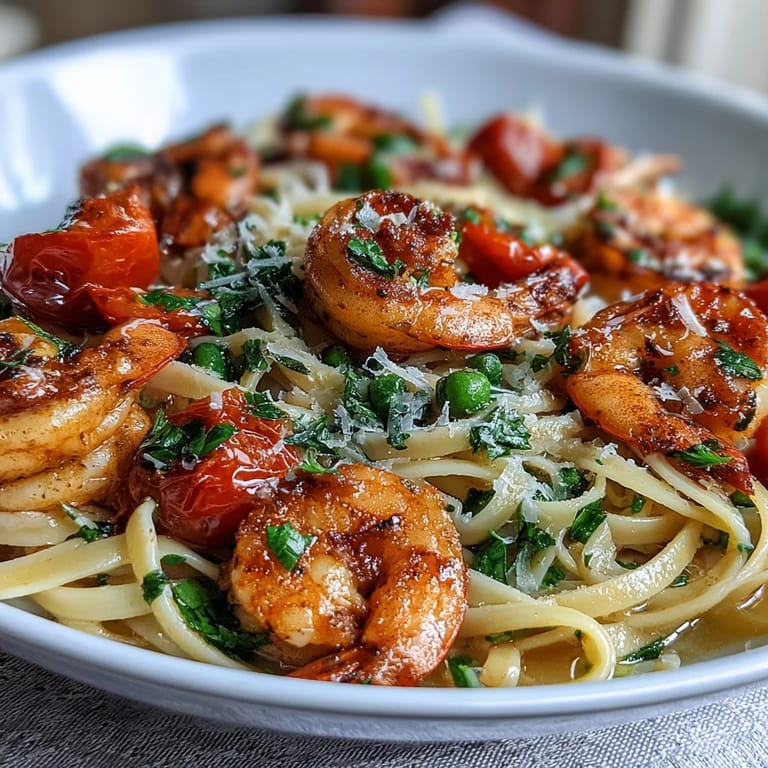
- Pair this with a crisp white wine to echo the lemon and broth notes, or simply serve it with good crusty bread for soaking up every drop.
 Pin It
 This is the kind of meal that tastes like someone cared about your dinner but didn't fuss needlessly over it. Make it once and you'll find yourself reaching for it again and again, each time discovering something new about how those simple elements create something far greater than the sum of their parts.
Recipe Questions & Answers
- → What pasta works best for this dish?
Angel hair pasta is ideal due to its thin texture, allowing it to absorb the fragrant garlic lemon sauce perfectly.
- → Can other seafood be used instead of shrimp?
Yes, scallops or firm white fish can be substituted depending on preference and availability.
- → How can I make this dish gluten-free?
Use gluten-free angel hair pasta to keep the dish suitable for those avoiding gluten.
- → What wine pairs well with this meal?
A chilled Sauvignon Blanc or Pinot Grigio complements the bright citrus and seafood flavors perfectly.
- → Can the red pepper flakes be omitted?
Yes, they can be left out for a milder flavor or adjusted based on spice preference.
- → What is the best way to ensure shrimp is cooked perfectly?
Cook shrimp just until they turn pink and opaque, usually 2-3 minutes, to avoid overcooking and maintain tenderness.