 Pin It
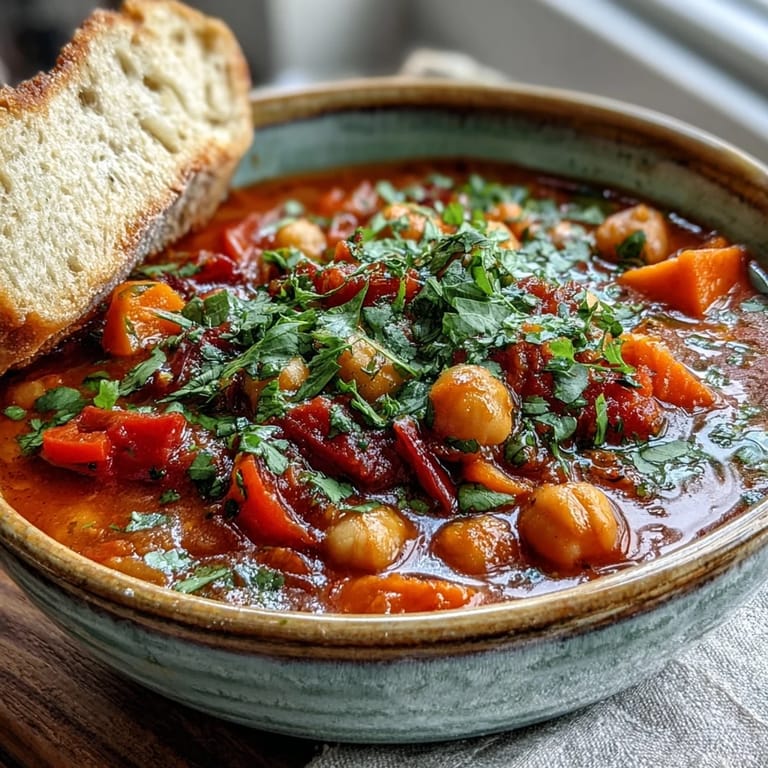
 There's something about the smell of cumin hitting hot oil that stops you mid-thought—suddenly you're present, waiting for what comes next. I discovered this stew on a gray afternoon when I had nothing but pantry staples and a vague craving for something warm that didn't feel like settling. Within an hour, I had a pot of golden, spiced chickpeas that tasted like it had been simmering all day, and I realized I'd stumbled onto something I'd keep making.
My roommate came home to find the kitchen wrapped in this amber-colored steam, and before I could even explain what I'd made, she pulled up a chair and we ended up eating straight from the pot while talking about everything and nothing. That's when I knew this recipe had the kind of quiet magic that brings people in—not fancy, just honest.
Ingredients
- Chickpeas (2 cans, drained and rinsed): The heart of this stew—buy canned and don't skip the rinsing step, which removes the starchy liquid that makes the broth cloudy.
- Onion (1 large, finely chopped): Your aromatic foundation; take time with this one because it becomes sweet and translucent, which mellows the spices beautifully.
- Garlic (2 cloves, minced): Add it after the onion softens, never before, or it can turn bitter and sharp.
- Carrots and red bell pepper (1 cup each, diced): These add natural sweetness that balances the heat and spices—the red pepper especially brightens the final color.
- Canned diced tomatoes (14 oz): San Marzano varieties taste brighter; whole peeled tomatoes that you crush by hand work beautifully too.
- Vegetable broth (2 cups): Quality matters here because it's one of your main flavors; low-sodium lets you control the salt.
- Tomato paste (2 tablespoons): A concentrated umami boost that deepens the whole pot; stir it in before adding liquids so it caramelizes slightly.
- Olive oil (2 tablespoons): Use something you actually like tasting because it's not going anywhere.
- Spices (cumin, smoked paprika, coriander, turmeric, chili flakes, cinnamon): Toast them briefly in the hot oil before adding anything else—this releases their essential oils and prevents them from tasting dusty or flat.
- Bay leaf (1): A quiet herb that ties the spices together; remember to fish it out before serving.
- Lemon juice and fresh herbs: These finish the dish at the very end, cutting through richness and adding brightness you can't achieve any other way.
Tired of Takeout? 🥡
Get 10 meals you can make faster than delivery arrives. Seriously.
One email. No spam. Unsubscribe anytime.
Instructions
- Warm your oil and start the aromatics:
- Heat olive oil in a large pot over medium heat and add your chopped onion. Let it cook for 4 to 5 minutes, stirring occasionally, until it turns soft and begins to smell sweet—you want it pale golden, not browned.
- Build your flavor base:
- Add minced garlic, diced carrots, and red bell pepper to the onion and sauté for 3 to 4 more minutes until the edges of the pepper soften slightly. You'll notice the kitchen smells noticeably more alive now.
- Bloom your spices:
- Sprinkle in cumin, smoked paprika, coriander, turmeric, chili flakes, and cinnamon, then stir constantly for about 1 minute. This step matters—you're releasing the spices' essential oils so they flavor the entire stew instead of staying separate and sharp.
- Deepen with tomato paste:
- Stir in tomato paste and let it cook for 1 minute, allowing it to caramelize slightly against the hot pot. This concentrate becomes the backbone of your broth's depth.
- Bring everything together:
- Add the diced tomatoes (with their juice), drained chickpeas, vegetable broth, and bay leaf. Stir well, then increase heat and bring the mixture to a gentle boil.
- Simmer gently:
- Reduce heat, cover the pot, and let it bubble softly for 25 minutes, stirring now and then. The chickpeas will soften further and the flavors will begin to marry together.
- Thicken and season:
- Remove the lid and simmer uncovered for another 5 minutes so some of the liquid can evaporate and the broth becomes slightly thicker and more concentrated. Taste as you go and season generously with salt and freshly ground black pepper.
- Finish with brightness:
- Fish out the bay leaf, then stir in the lemon juice and chopped cilantro or parsley. This final brightness is what transforms a good stew into something you'll want to make again and again.
 Pin It
 I've made this stew on mornings when I needed comfort before bad news, and on evenings when friends showed up unexpectedly with good news and hungry bellies. It's reliable in a way that feels almost old-fashioned—the kind of dish that's been feeding people for centuries, just quietly doing its job.
The Spice Story
Each spice here does something different: cumin brings earthiness, smoked paprika adds a kiss of depth without actual smoke, coriander rounds things out gently, turmeric brings color and warmth, and cinnamon—which might sound surprising—adds a subtle sweetness that makes everything taste more complex. Together they're like a conversation where each voice is clear but they're all speaking about the same thing. If you've never used these together before, you're about to understand why Middle Eastern cooking feels so balanced and right.
Making It Your Own
This recipe is more of a compass than a map, which means there's room for your preferences and what you have on hand. Sometimes I add diced jalapeño with the vegetables if I want more heat, or I'll toss in a handful of spinach at the very end for extra earthiness. The base—onion, garlic, those spices, tomatoes, chickpeas—stays solid, but everything else can bend.
Serving and Storage Thoughts
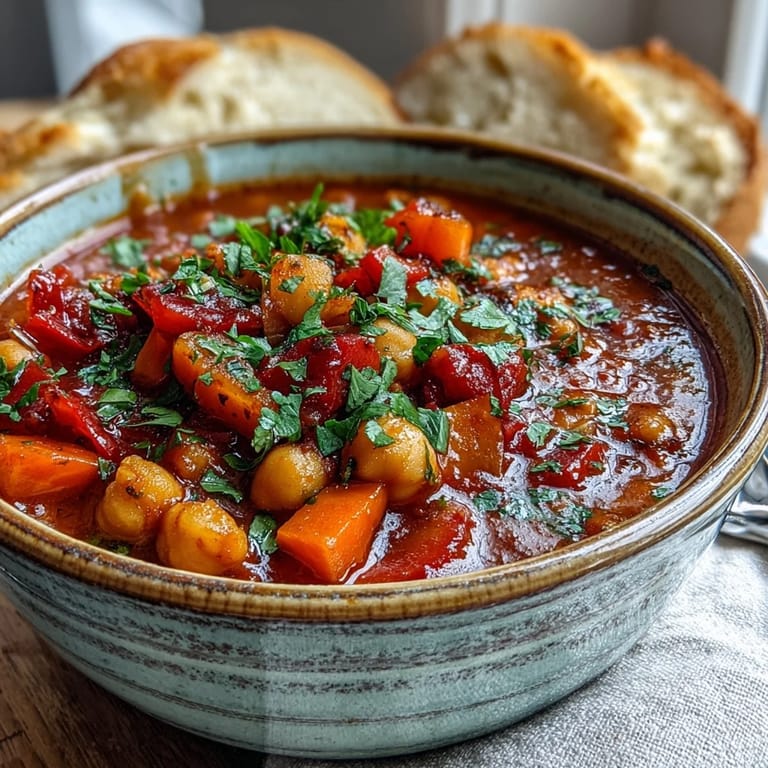
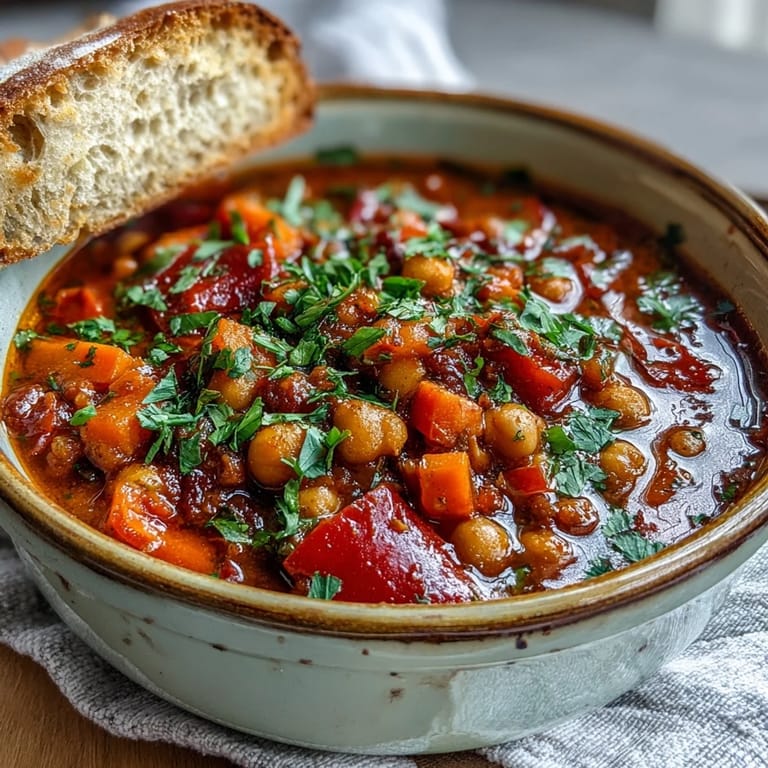
Serve this stew hot in bowls with crusty bread for soaking up the broth, or over a bed of rice if you want it more substantial. It keeps beautifully in the refrigerator for four days and actually improves overnight as flavors settle and deepen—make it on Sunday for a week's worth of easy lunches. One final thing: this stew freezes wonderfully too, so don't hesitate to double the recipe and stash half away for a future moment when you need something this good without effort.
- A squeeze of fresh lemon right before eating brightens every spoonful.
- Warm crusty bread or rice turns a bowl into a complete meal.
- Make a double batch and thank yourself later.
 Pin It
 This stew is the kind of recipe that teaches you something about cooking if you pay attention—how spices build flavor, how salt and acid finish a dish, how simple ingredients become something whole when treated with care. Make it once and it becomes yours.
Recipe Questions & Answers
- → How spicy is this stew?
The heat level is mild to medium, coming from chili flakes. You can easily adjust the spice by adding more or less chili flakes, or include a diced jalapeño for extra heat as suggested in the notes.
- → Can I make this ahead of time?
Absolutely. This stew actually tastes even better the next day as the flavors continue to develop. It keeps well in the refrigerator for 4-5 days and can be frozen for up to 3 months.
- → What should I serve with it?
Crusty bread is perfect for soaking up the flavorful broth. You can also serve it over rice, with quinoa, or alongside flatbread. A crisp white wine like Sauvignon Blanc pairs nicely with the spices.
- → Can I use dried chickpeas instead of canned?
Yes, soak and cook dried chickpeas until tender before adding them to the stew. You'll need about 3 cups of cooked chickpeas to replace the two cans. Plan for extra time if cooking from dried.
- → Is this suitable for meal prep?
This is excellent for meal prep. The stew reheats beautifully and portions well into containers for lunch or dinner throughout the week. The consistency may thicken further in the fridge—just add a splash of water or broth when reheating.
- → Can I add other vegetables?
Certainly. Sweet potatoes, butternut squash, zucchini, or spinach would all work well. Add hearty vegetables like sweet potatoes earlier in the cooking process, while quick-cooking vegetables like spinach should be stirred in during the last few minutes.