 Pin It
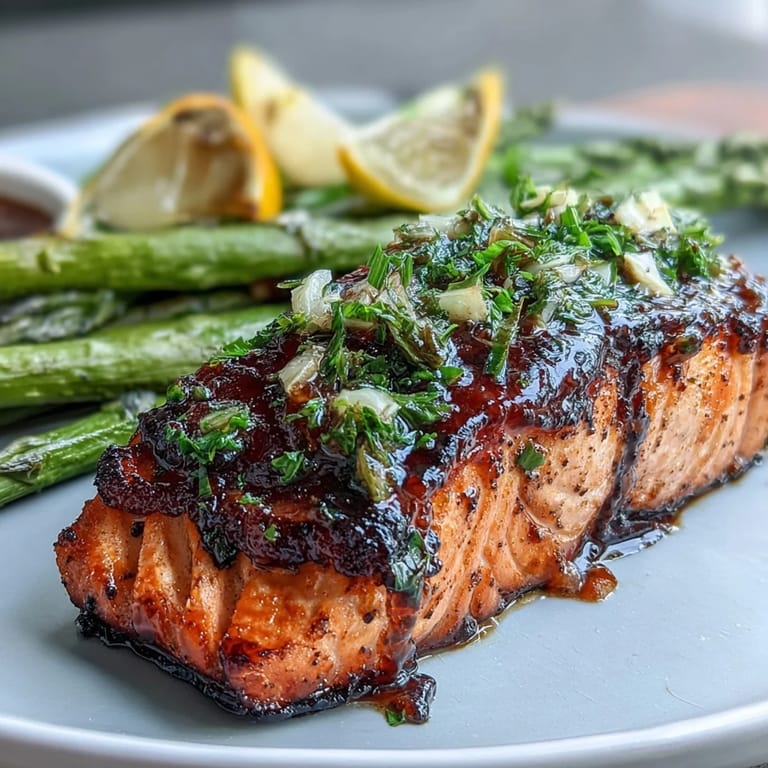
 There's something about salmon that makes you feel like you're cooking something fancy without actually breaking a sweat. My neighbor stopped by on a random Tuesday evening asking what smelled so incredible, and when I pulled this sheet pan out of the oven with golden salmon and perfectly crisp asparagus, she practically invited herself to dinner. That's when I realized this wasn't just another weeknight meal—it was a dish that somehow manages to look restaurant-quality while taking barely half an hour from start to finish.
I made this for my sister's birthday dinner when she announced she was cutting carbs, and I was genuinely nervous—I had about forty minutes before guests arrived. The salmon came out so beautifully, with those lemon slices releasing their brightness right into the fish, and suddenly I had a main course that tasted like I'd spent hours in the kitchen when really I'd spent fifteen minutes prepping and the rest just letting the oven do its thing.
Ingredients
- Salmon fillets (4, about 6 oz each): Skin-on holds everything together, but skinless works too if that's what you prefer—either way, look for fillets with some thickness so they don't dry out.
- Fresh asparagus (1 lb, woody ends trimmed): The tough bottoms snap off naturally when you bend them, and this little trick means you'll never waste the edible part.
- Lemon: Sliced into rounds, it perfumes the whole dish while it roasts and doubles as a beautiful garnish.
- Unsalted butter (4 tbsp, melted): This is the golden thread connecting everything—it emulsifies with the lemon juice and creates a silky sauce that makes the salmon taste like luxury.
- Garlic (3 cloves, minced): Mince it fine so it distributes evenly and doesn't burn, which would turn that buttery gold into something bitter.
- Fresh lemon juice (1 tbsp): The acid is essential—it brightens the richness and keeps the fish tasting fresh instead of heavy.
- Dijon mustard (1 tsp): Trust this little bit; it adds a subtle tang and helps emulsify the sauce without announcing itself loudly.
- Salt and black pepper to taste: Season generously because the roasting will mellow everything out.
- Red pepper flakes (1/4 tsp, optional): A whisper of heat wakes up the palate and makes people wonder what's making them smile when they eat it.
- Fresh parsley (2 tbsp, optional): Scattered over at the end, it adds color and a grassy brightness that makes the whole plate feel alive.
Tired of Takeout? 🥡
Get 10 meals you can make faster than delivery arrives. Seriously.
One email. No spam. Unsubscribe anytime.
Instructions
- Heat your oven and prep your stage:
- Preheat to 400°F and line your baking sheet with parchment or foil—this is your insurance policy against sticking and your easiest cleanup move.
- Arrange salmon and asparagus with intention:
- Place salmon in the center where the oven's heat hits most evenly, then tuck asparagus around it, laying the spears in a single layer so they'll actually crisp up instead of steaming. Scatter lemon slices everywhere like you're decorating the plate before it even cooks.
- Make the garlic butter magic:
- Whisk melted butter with minced garlic, lemon juice, Dijon mustard, salt, pepper, and red pepper flakes in a small bowl until it's uniform and glossy. This is your flavor bomb, so taste it and adjust seasoning if it needs it.
- Drizzle and let the oven work:
- Pour the sauce evenly over everything—don't be shy, every piece deserves coverage. Roast for 15 to 18 minutes, watching until the salmon flakes easily at its thickest point and the asparagus tips just start to brown at the edges.
- Finish and serve immediately:
- Sprinkle parsley over everything if you're using it, and serve right away while the butter is still warm and silky. Extra lemon wedges on the side let people adjust their own brightness.
 Pin It
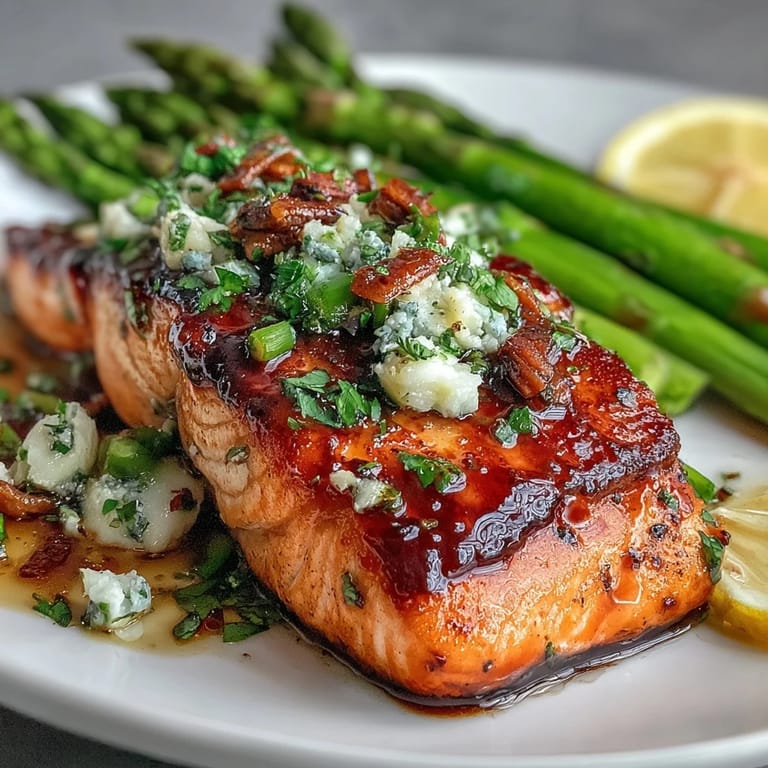
 My dad, who normally just eats whatever's on his plate without comment, asked me to make this again the very next week. That's when I understood I'd created something that wasn't just elegant enough for a dinner party but comforting enough to become a regular request—the kind of dish that proves you don't need to choose between impressive and easy.
The Garlic Butter Secret
The real magic isn't any single ingredient—it's how they talk to each other. The butter carries the garlic's fragrance, the lemon juice keeps it bright, and the Dijon mustard acts like a quiet conductor, making sure everything stays emulsified instead of separating into greasy puddles. I learned this after making the sauce too hot once and watching it break, so now I melt the butter just before whisking, which takes the edge off without cooking anything.
Timing and Temperature Matters
Oven temperature is more forgiving than you'd think, but 400°F really is the sweet spot—hot enough that the asparagus gets those caramelized edges and the salmon firms up evenly, but not so scorching that the outside races ahead of the inside. If your oven runs hot or cold, keep an eye on things around the 12-minute mark and adjust from there. The visual cue is always better than the timer anyway.
Variations and Swaps
This sheet pan concept is flexible enough that I've made it with green beans, broccolini, and even thin-sliced zucchini, all with the same confidence. The asparagus is classic because it roasts in almost the same time as the salmon, but whatever vegetable you choose, arrange it in a single layer so it actually touches the hot pan. A sprinkle of Parmesan over the asparagus before roasting adds a nutty, salty dimension that makes people lean in and take another bite—I learned that from my friend Marco, who seems to sprinkle Parmesan on everything and somehow is always right.
- Try broccolini or green beans if asparagus isn't in season or doesn't appeal to you.
- Grated Parmesan scattered over the asparagus before roasting adds depth without changing the cooking time.
- Fresh thyme or dill swapped in for parsley gives a different but equally delicious garnish.
 Pin It
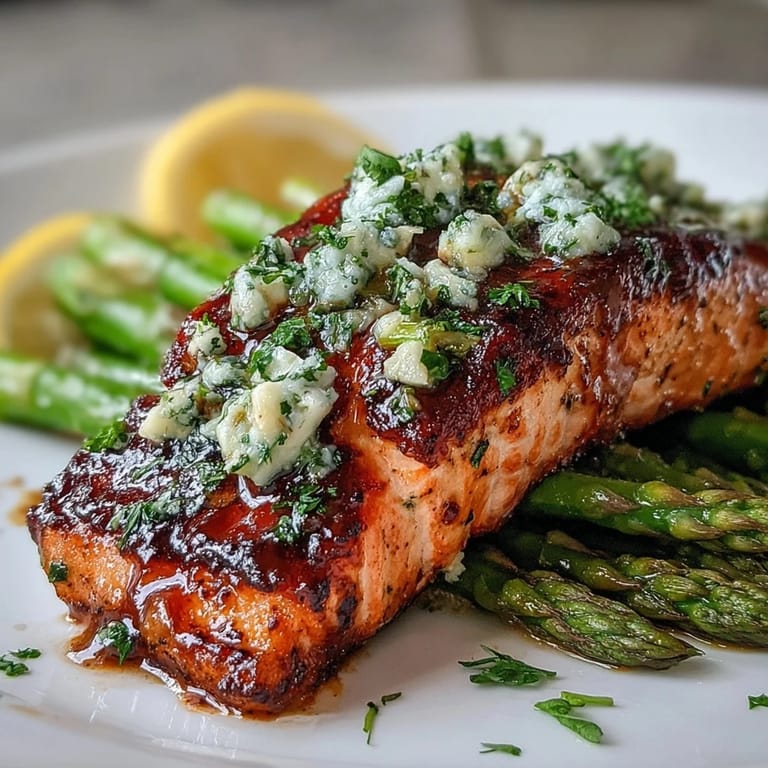
 This dish has become my secret weapon for nights when I want to feel like I'm taking care of people without feeling like I'm drowning in prep work. It's proof that elegant meals don't require hours or complicated techniques—just good ingredients, one sheet pan, and the confidence to let the oven do what it does best.
Recipe Questions & Answers
- → What is the best way to ensure tender salmon?
Roasting salmon at 400°F for about 15-18 minutes helps retain moisture while cooking it evenly. Avoid overcooking to keep it tender and flaky.
- → Can I substitute asparagus with other vegetables?
Yes, green beans or broccolini work well as alternatives, offering similar textures and flavors when roasted alongside salmon.
- → How does the garlic butter sauce enhance the dish?
The sauce, made with melted butter, garlic, lemon juice, and spices, adds richness and a bright, aromatic flavor that complements the natural taste of salmon and asparagus.
- → Is it necessary to remove the salmon skin before cooking?
Either skin-on or skinless fillets can be used. Skin-on helps hold the fillet together during roasting and adds extra crispness if desired.
- → How should leftovers be stored?
Store leftovers in an airtight container in the refrigerator for up to two days. Reheat gently to preserve moisture and flavor.
- → What wine pairs well with this dish?
A crisp white wine such as Sauvignon Blanc or Pinot Grigio complements the buttery and citrus notes of the salmon and asparagus perfectly.