 Pin It
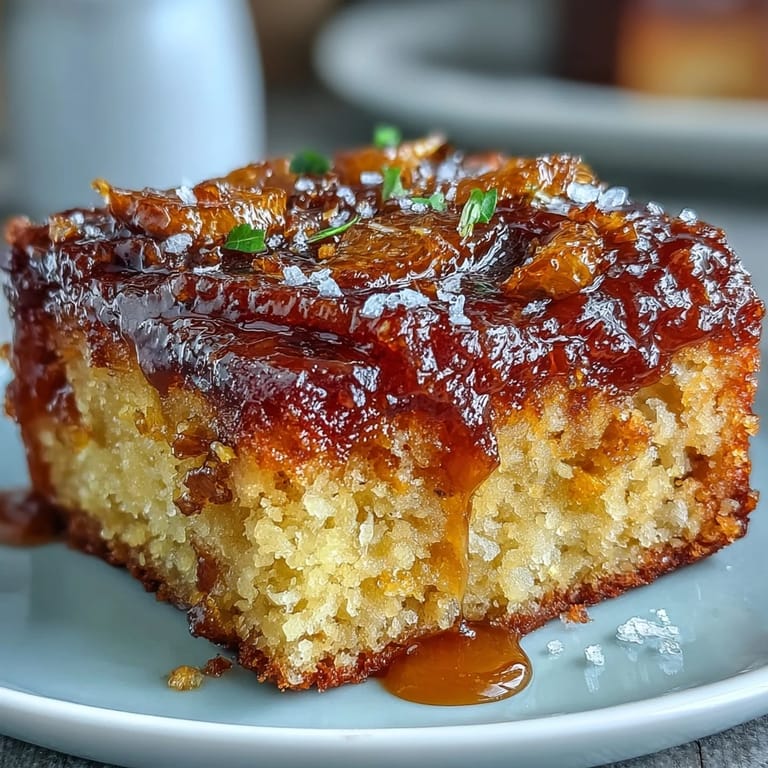
 The unmistakable aroma of freshly grated orange zest used to haunt my kitchen for days. The first time I heard about this whole orange cake, I was both curious and skeptical—is it really as good as they say to throw the entire fruit, peel and all, into the blender? One busy afternoon with a single orange languishing at the bottom of my fruit bowl, I decided to dive in and was surprised at how effervescently citrusy the results were. It’s hard not to smile when you slice into a cake this bright, and the best part: absolute minimal fuss. Shiny, slightly sticky fingers and marmalade-like steam have officially won me over.
I once brought this cake along to a weekend picnic, wedged between stacks of sandwiches and thermoses of tea. Mid-afternoon, the sun slid behind a cloud just as we sliced into the cake, releasing a burst of citrusy fragrance that had everyone perking up. Conversations quieted, replaced by appreciative hums and requests for another slice. There’s something about humble ingredients, treated boldly, that turns ordinary moments into little celebrations. That memory alone guarantees this cake more outings to come.
Ingredients
- 1 large seedless orange (organic, washed and quartered): Using the whole orange, peel and all, is the secret—just make sure it’s organic to avoid bitterness from pesticides, and always remove any sneaky seeds.
- 3 large eggs: These add structure and richness, so bring them to room temperature before blending for maximum fluffiness.
- 150 ml vegetable oil (sunflower or canola): Oil keeps the crumb tender and moist longer than butter—grab a neutral oil so the citrus shines.
- 1 tsp vanilla extract: The vanilla gently smooths any sharp citrus edge, and a generous pour never hurt anyone.
- 250 g granulated sugar: Sugar balances the orange's tang and helps the cake brown beautifully.
- 250 g all-purpose flour: Plain flour gives a soft, classic texture; fluff it up with a quick whisk for best results.
- 2 tsp baking powder: This ensures a lofty rise to match the cake's bold flavor.
- 1/2 tsp salt: Salt shapes the sweetness and makes every bite sing.
- Powdered sugar, for dusting (optional): A simple sprinkle gives a tempting finish and hides any cracks on top.
Tired of Takeout? 🥡
Get 10 meals you can make faster than delivery arrives. Seriously.
One email. No spam. Unsubscribe anytime.
Instructions
- Set the Stage:
- Preheat your oven to 350°F (175°C) and line a 9-inch pan, making sure corners are tucked in snugly for a quick release later.
- Blitz the Orange:
- Add the washed, quartered orange, eggs, oil, and vanilla to your blender; let the machine do its thing until the mixture is dazzlingly smooth.
- Mix the Dry Team:
- In a big bowl, whisk together sugar, flour, baking powder, and salt—watch the white clouds swirl as you break up any lumps.
- Unite, Gently:
- Pour the citrusy blend over the dry ingredients, then stir slowly and patiently just until no streaks remain (no one likes a tough cake from overmixing).
- Pan and Bake:
- Spoon the batter into your prepared pan and smooth the surface; slide it into the oven where it will rise and turn golden over 45–50 minutes.
- Cooling Off:
- Let the cake rest in the pan for 10 minutes out of the oven, then transfer to a rack, inhaling that marmalade-scented steam as it cools.
- Finishing Touch:
- When cool, dust lightly with powdered sugar—try not to sneak a piece while it’s still warm, though it’s almost impossible to resist.
 Pin It
 The first time I baked this for my partner, the kitchen was full of cheerful shouting and clinking mugs—our friends had dropped in unexpectedly. Sharing messy, sugary slices straight from the cooling rack made cleanup a small price to pay for laughter and sticky hands. That night, as we picked at the last crumbs, the cake felt less like a dessert and more like a reason to gather. Even days later, every bite reminded me how easy it is to bring people together with something homemade.
What Makes Whole Orange Cake Irresistible
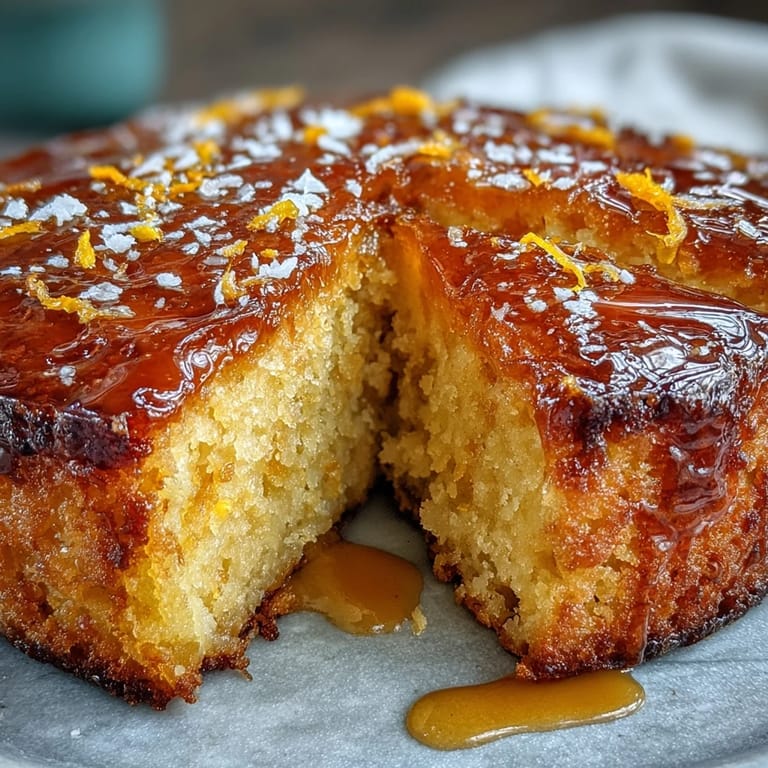
The magic is in the complete use of the orange—from zest to pulp, nothing is left behind, leading to a fragrance that hovers in the air for hours. Blending everything means no painstaking zesting or juicing, so even on busy days, dessert feels totally doable. Plus, the natural oils in the peel give depth and complexity that bottled juice can’t mimic—this cake really is in a league of its own.
Serving Suggestions and Pairings
I love serving slices with a spoonful of whipped cream or a little scoop of vanilla ice cream; it’s all about balancing bright flavors with creamy coolness. For a grown-up twist, a splash of orange liqueur in the batter makes every bite feel extra special. If you’re feeling fancy, try a drizzle of honey or a sprinkle of toasted almonds just before serving.
Little Wins and Cake-Saving Fixes
Not every bake has to be flawless. One rainy afternoon, my cake cracked on top but a snowy layer of powdered sugar hid every blemish and no one guessed a thing. If your orange is more tart than sweet, just an extra tablespoon of sugar brings everything into balance.
- If using a large orange, weigh it to about 250 grams for best results.
- A parchment sling makes cake removal stress-free.
- Store leftovers tightly wrapped to keep them tender for days.
 Pin It
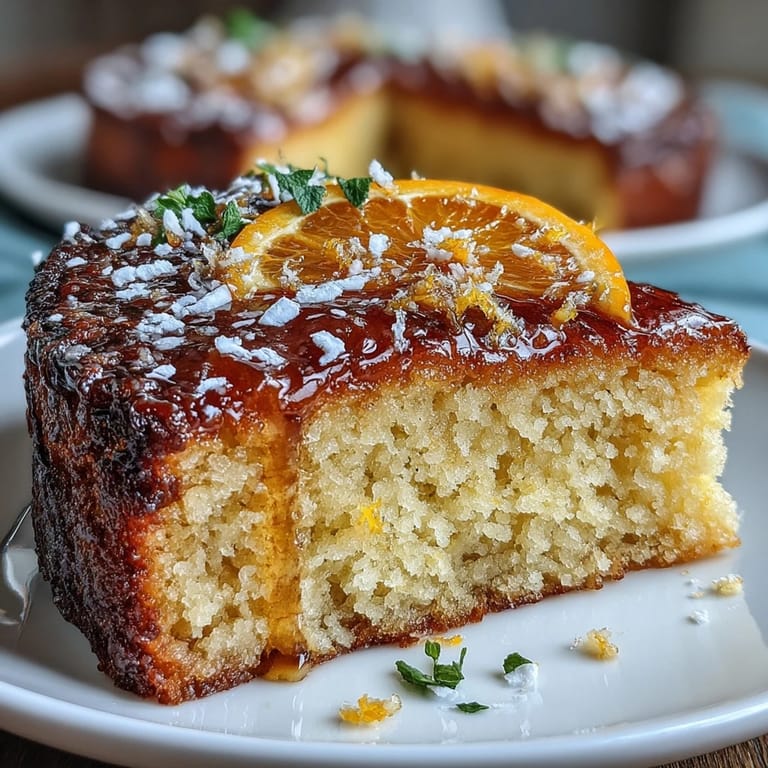
 Next time you’ve got an orange or two lingering in your fruit bowl, blend one up for this cake—it’s surprisingly simple and always brings a bit of brightness to any day.
Recipe Questions & Answers
- → Why use a whole orange?
Using the whole orange, including the peel, intensifies citrus aroma and flavor while adding natural oils and moisture that keep the crumb tender and fragrant.
- → Do I need an organic orange?
Yes—since the peel is blended into the batter, an organic orange reduces the risk of pesticide residues and yields cleaner citrus oils and a fresher aroma.
- → Can I use a regular blender?
A high-speed blender yields the smoothest purée, but a sturdy countertop blender or food processor will work; blend until no large pieces remain to avoid bitter peel bits.
- → How do I know when it's done?
Bake until the top is golden and a skewer inserted into the center comes out clean or with a few moist crumbs. If the top browns too quickly, tent with foil and continue baking.
- → How should it be stored?
Once cooled, store the cake covered at room temperature for 1–2 days or refrigerate up to 5 days; bring to room temperature before serving for best texture.
- → Can it be made dairy-free?
Yes—this version is naturally dairy-free in the batter; use plant-based toppings like nondairy whipped cream or ice cream to keep it fully dairy-free.