 Pin It
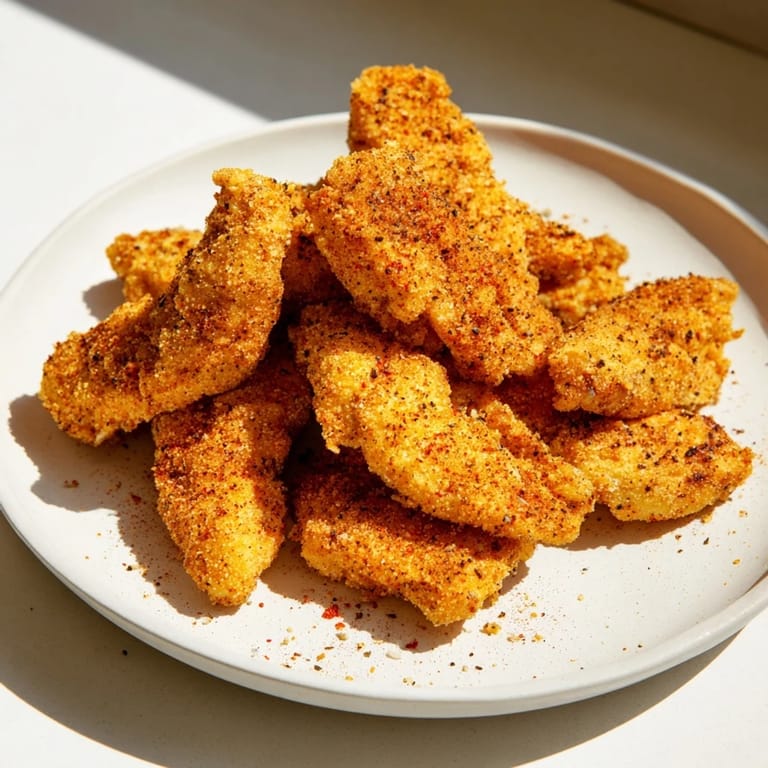
 There's something about the smell of chicken hitting hot oil that takes me back to lazy Sunday afternoons at my aunt's kitchen, where she'd fry up these golden tenders while we'd hover nearby, unable to wait. She never measured anything precisely, just knew by feel when the buttermilk had done its work and the coating was ready to fry. I've since learned there's actually a science behind her method, and it turns out the tanginess of buttermilk and that crispy flour shell are exactly what make these tenders so impossibly good.
My roommate once came home from work to find me standing over a skillet with oil sizzling and tenders turning golden, the whole apartment smelling like a diner. He asked what smelled so good, and when I told him I'd made these, he didn't even take off his coat before grabbing one. That moment, watching someone taste something you made and just light up, that's when I realized these tenders were more than just easy dinner.
Ingredients
- Chicken tenders or breasts cut into strips: Use fresh, quality chicken and cut the breasts to roughly the same thickness so they cook evenly without any dry edges.
- Buttermilk: The acid tenderizes the chicken while adding subtle tang; if you don't have buttermilk on hand, mix regular milk with a splash of lemon juice or vinegar and let it sit for five minutes.
- Salt, black pepper, garlic powder, onion powder, paprika: These form the backbone of your marinade and coating, building layers of flavor that taste homemade rather than generic.
- Cayenne pepper: A small amount adds warmth without heat; skip it if you prefer milder chicken, but a pinch changes everything.
- All-purpose flour: The baking powder mixed into the flour is the secret that creates an extra-crispy shell that stays crunchy even when it cools.
- Vegetable oil for deep frying: A neutral oil with a high smoke point is essential; I've learned the hard way that skimping on oil temperature makes greasy, soggy chicken.
Tired of Takeout? 🥡
Get 10 meals you can make faster than delivery arrives. Seriously.
One email. No spam. Unsubscribe anytime.
Instructions
- Make the marinade and coat the chicken:
- Whisk the buttermilk with salt, pepper, garlic powder, onion powder, paprika, and cayenne in a large bowl until everything dissolves. Add your chicken pieces and turn them gently so each one gets fully submerged in that tangy liquid. Cover and slide into the refrigerator for at least two hours, though overnight is even better if you have the time.
- Prepare your dry coating:
- While the chicken marinates, combine flour, salt, pepper, paprika, garlic powder, onion powder, and baking powder in a shallow dish. Mix thoroughly so the seasonings distribute evenly; this is your flavorful armor for the tenders.
- Dredge the chicken:
- Pull a tender from the buttermilk, let excess liquid drip back into the bowl for a few seconds, then press it into your seasoned flour mixture. Make sure every surface gets coated, pressing gently so the flour adheres rather than just sits on top. Set each coated tender on a clean plate as you go.
- Heat your oil to the perfect temperature:
- Pour two inches of vegetable oil into your skillet or Dutch oven and bring it to 350°F, checking with a thermometer. This temperature is crucial; too cool and you get greasy tenders, too hot and the outside burns before the inside cooks through.
- Fry in batches without crowding:
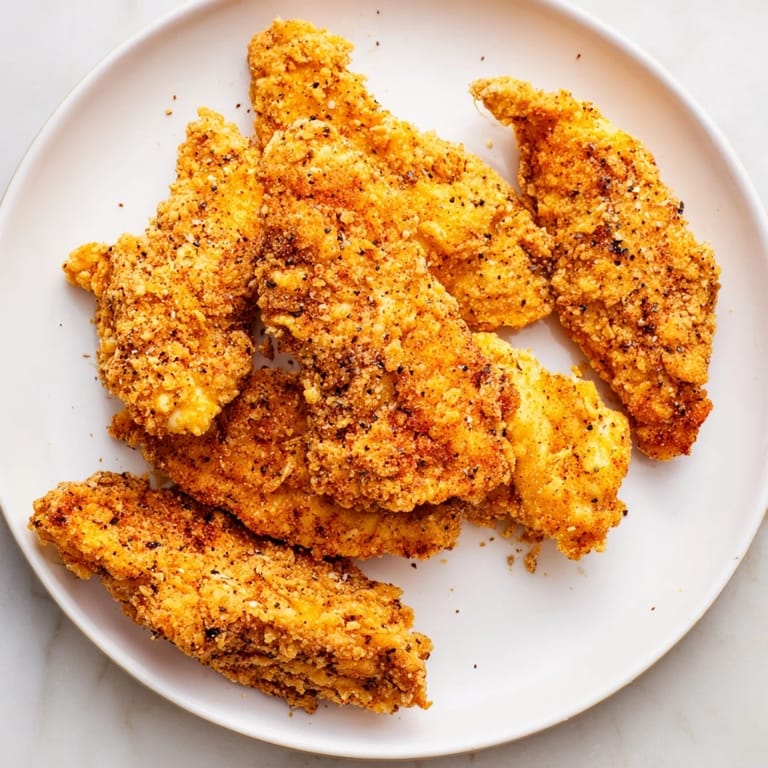
- Carefully place three or four tenders into the hot oil, letting them sizzle without touching. Fry for three to four minutes per side until the coating turns deep golden brown and the internal temperature reaches 165°F. Work in batches so the oil temperature stays consistent.
- Drain and serve while hot:
- Transfer cooked tenders to a wire rack or paper towels to shed excess oil. Serve immediately while the coating is still crunchy and the chicken is steaming inside.
 Pin It
 I'll never forget the first time a friend asked me to teach her how to make these, and we stood side by side at the stove watching the tenders transform from pale strips to bronzed treasures. There's something almost magical about the precise moment when the coating sets and the chicken becomes something worth sharing.
The Secret to Never Soggy Coating
The baking powder in the flour mixture isn't just filler; it creates tiny air pockets in the coating that fry up impossibly light and crispy. I learned this after years of making decent tenders and wondering why restaurant versions sounded so loud when you bit into them. That crunch is the difference between good and unforgettable, and it comes from those small chemical bubbles that form during frying.
Timing Your Marinade Right
Two hours is the minimum, but I've discovered that overnight marinating is where the magic really happens. The buttermilk has more time to penetrate the chicken, making it more tender and flavorful all the way through, not just on the surface. I often prepare my tenders before bed and fry them the next evening, which spreads the work across two days in a way that feels effortless.
Make It Your Own
Once you understand the basic technique, this recipe becomes a canvas for your own preferences. I've played with everything from adding smoked paprika for depth to mixing hot sauce into the marinade for a Southern kick. The structure stays the same, but your touch makes it uniquely yours.
- For extra spice, whisk hot sauce or sriracha directly into the buttermilk marinade before adding the chicken.
- Try mixing in a touch of smoked paprika or Old Bay seasoning to the flour coating for regional flair.
- Serve alongside honey mustard, ranch, or a simple lemon aioli for dipping that complements the crispy coating.
 Pin It
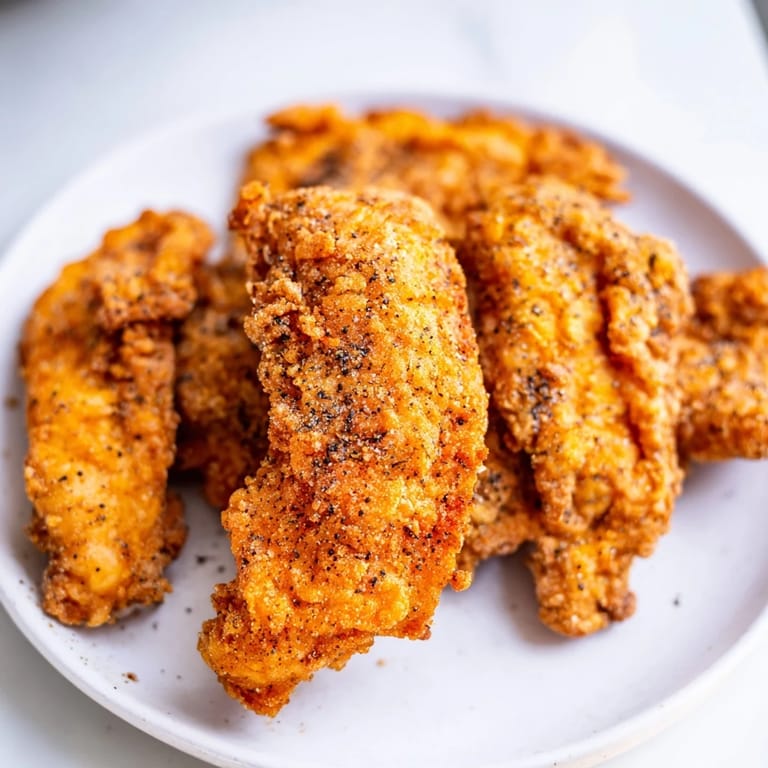
 These buttermilk fried chicken tenders have become my go-to when I want something that feels both effortless and impressive. There's comfort in knowing that with a bit of planning and a few simple ingredients, you can create something that tastes like it came from somewhere special.
Recipe Questions & Answers
- → What is the purpose of marinating chicken in buttermilk?
Buttermilk tenderizes the chicken by breaking down proteins, resulting in juicier, more flavorful tenders with a subtle tang.
- → How can I make the coating extra crispy?
Double dipping the chicken in buttermilk and then flour before frying creates an extra crunchy crust.
- → What oil is best for frying chicken tenders?
Vegetable oil with a high smoke point is ideal for frying, ensuring an even, crisp crust without burning.
- → How do I know when the chicken tenders are fully cooked?
Fry until golden brown and ensure the internal temperature reaches 165°F (74°C) for safe consumption.
- → Can I adjust the spice level in the marinade?
Yes, increasing cayenne pepper or adding hot sauce to the marinade adds a spicier kick.