 Pin It
 My abuela's kitchen always smelled like guava paste simmering on the stove, and I'd watch her roll that impossibly thin sponge cake with the precision of someone who'd done it a thousand times. When she finally taught me to make Brazo Gitano, I realized why this Puerto Rican treasure meant so much to her—it's not just dessert, it's a small edible miracle that requires patience and a gentle hand. The first time I attempted it alone, my meringue peaked too stiffly and my cake tore in two places, but somehow those imperfections tasted like victory.
I made this for my neighbor's quinceañera celebration on a humid July afternoon, and watching three generations of women taste it together was when I understood why this dessert carries so much heart. One bite and my mother's eyes got that faraway look—she was transported back to family gatherings I never got to witness. That's the real magic of Brazo Gitano; it's not just feeding people, it's giving them permission to remember joy.
Ingredients
- Eggs, separated: This is non-negotiable—the yolks create richness while the whites become your cloud-like meringue, so make sure they're truly separated without any yolk sneaking into the whites.
- Granulated sugar, divided: Using half for the yolks and half for the whites ensures both components get the sweetness they need without overpowering anything.
- Vanilla extract: A teaspoon sounds small, but it whispers through the entire cake and shouldn't be skipped.
- All-purpose flour: Sifting it twice prevents lumps and keeps your cake impossibly tender.
- Salt: This tiny bit brings out all the sweet notes and stabilizes your egg whites.
- Guava paste: The heart of this dessert—find the real stuff in Latin markets, not the overly firm brick masquerading as authentic.
- Water: Just enough to loosen the guava paste into a spreadable consistency without making it runny.
- Egg whites for meringue: Fresh, room temperature whites whip to glossy peaks faster than cold ones.
- Cream of tartar: Optional but worth using—it stabilizes the meringue so it holds its shape beautifully.
Tired of Takeout? 🥡
Get 10 meals you can make faster than delivery arrives. Seriously.
One email. No spam. Unsubscribe anytime.
Instructions
- Set up your workspace:
- Preheat that oven to 180°C and line your jelly roll pan with parchment, then give it a light grease so nothing sticks. This prep work feels simple but matters deeply when you're working with something this delicate.
- Create the yolk base:
- Beat those separated yolks with half the sugar and vanilla until the mixture turns pale and thick—this takes longer than you'd think, maybe 3-4 minutes, but trust the process. You're incorporating air that'll make the cake rise.
- Whip the whites:
- In a completely clean bowl, whisk egg whites with the remaining sugar and salt until stiff, glossy peaks form—they should look like clouds you could touch. If you're using cream of tartar, add it when you start beating.
- Fold with intention:
- Gently fold the whites into the yolks using a spatula, cutting down the middle and sweeping along the bottom, rotating the bowl as you go. This is where patience pays off—aggressive folding deflates all that beautiful air.
- Add the flour:
- Sift the flour directly over the batter and fold it in until just combined, watching for a few streaks of flour rather than a fully mixed batter. Overmixing develops gluten and toughens the cake.
- Bake into lightness:
- Spread the batter evenly in your pan and bake for 12-15 minutes until the top springs back gently when you touch it. The cake should be golden but not dark.
- Immediate rolling moment:
- While still warm, invert the cake onto a kitchen towel dusted with sugar and peel off the parchment carefully. Roll it up with the towel from the short end and let it cool completely—this sets the shape.
- Prepare the guava:
- Melt guava paste with water over low heat, stirring until smooth and spreadable, then let it cool to room temperature. You want it soft enough to spread without tearing the delicate cake.
- Unroll and fill:
- Carefully unroll your cooled cake and spread the guava filling evenly across, leaving a small border so it doesn't squeeze out. Roll it back up tightly without the towel this time, keeping the seam on the bottom.
- Build the meringue:
- Beat room-temperature egg whites until soft peaks form, then gradually add sugar while continuing to beat until you have stiff, glossy peaks that hold their shape. This takes focus but rewards you with pillowy sweetness.
- Crown your creation:
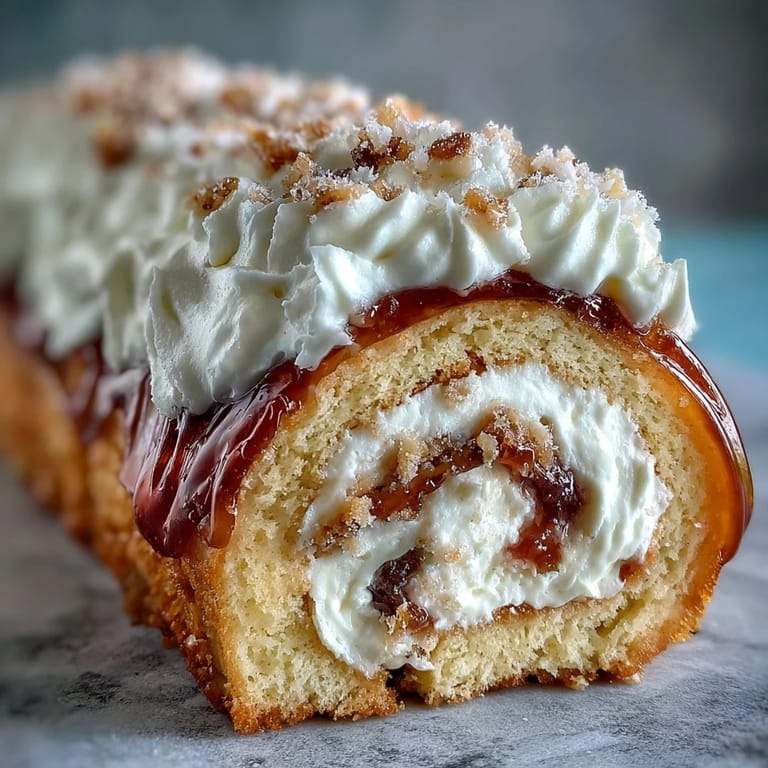
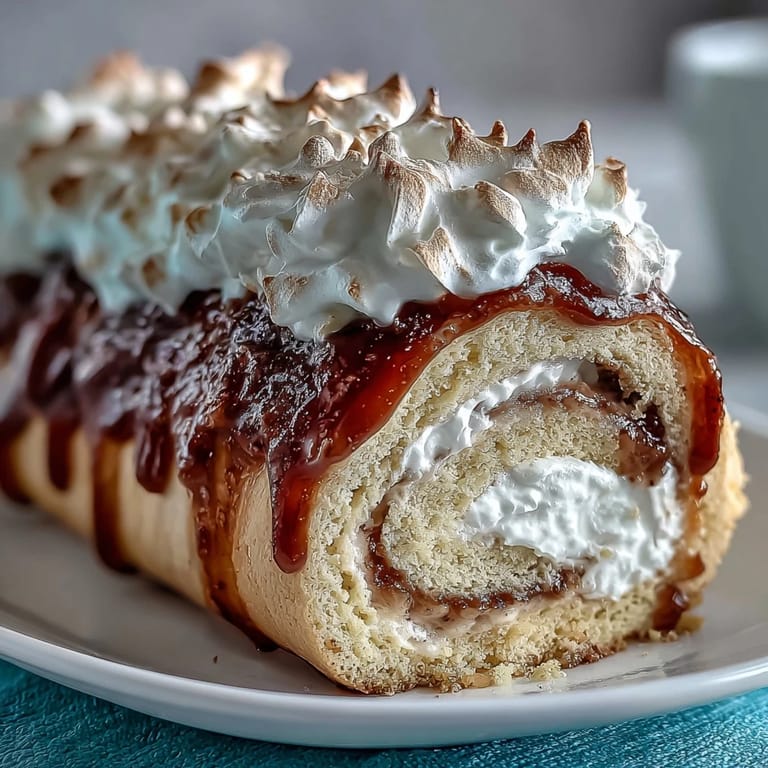
- Spread or pipe the meringue over the top and sides of your roll, making peaks and swirls that'll catch the heat beautifully. Be generous and artistic—this is your signature moment.
- Optional golden finish:
- If you have a kitchen torch, lightly torch the meringue until golden, or run it under the broiler for a minute, watching closely so it doesn't burn. This step transforms the meringue into something with caramelized edges.
- The final chill:
- Refrigerate for at least 30 minutes before slicing—this sets everything and makes cutting cleaner. Use a warm knife between cuts for neater slices.
 Pin It
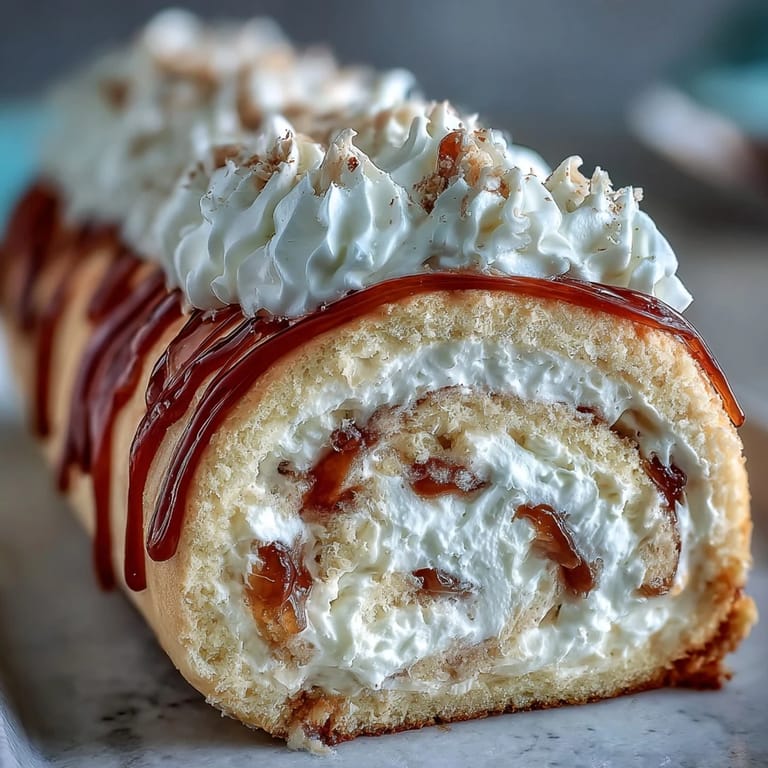
 The moment someone bit into the slice I cut for my sister-in-law and watched her close her eyes in that way people do when something unexpected moves them, I knew this dessert was special. That's when food becomes memory, and that's what keeps people coming back to your table.
The Dance Between Light and Sweet
What makes Brazo Gitano sing is the balance between three completely different textures that somehow feel like they were always meant to be together. The sponge cake should be cloud-like and almost trembling, not dense or rubbery—this happens when you fold gently and don't overwork the batter. The guava filling provides tart sweetness that cuts through the richness, while the meringue topping adds another layer of airy sweetness that feels almost decadent.
Why the Towel Matters
Using a kitchen towel instead of rolling the cake on a counter prevents sticking and gives you something to grip while the cake is still warm enough to be pliable. The sugar dusted on the towel adds a subtle sweetness to the exterior and keeps it from adhering to the delicate sponge. I learned this the hard way when I tried to roll without it and ended up with torn cake—now I know better.
Variations and Loving Adjustments
While guava paste is traditional and deeply beloved, this dessert welcomes experimentation without losing its soul. My cousin adds a thin layer of whipped cream beneath the guava for extra luxury, and another friend swaps the paste entirely for passion fruit curd on occasions when guava isn't available. The meringue topping can be replaced with a dusting of powdered sugar for something lighter, though you'll miss that caramelized moment.
- Try adding a tablespoon of rum to the guava filling for a grown-up twist that whispers rather than shouts.
- A sprinkle of toasted coconut over the meringue adds tropical depth and a subtle crunch.
- Make this the day before and let the flavors settle overnight—it actually gets better as the cake absorbs the guava's moisture.
 Pin It
 This dessert isn't just about sugar and eggs—it's a conversation between tradition and your own kitchen instincts. Make it with someone you love, taste it warm, and watch how quickly it becomes the thing they ask for next time you see them.
Recipe Questions & Answers
- → What makes Brazo Gitano different from other jelly rolls?
Brazo Gitano stands apart through its signature guava paste filling, which provides a distinctively tropical Puerto Rican flavor profile. The meringue topping is also traditional, creating a fluffy exterior that contrasts beautifully with the dense, sweet filling.
- → Can I prepare Brazo Gitano ahead of time?
Yes, this dessert actually improves when made ahead. The flavors meld together beautifully after chilling for several hours or overnight. Store tightly wrapped in the refrigerator for up to 2 days, though the meringue may soften slightly over time.
- → Why must the cake be rolled while warm?
Rolling the sponge while still warm creates muscle memory in the cake structure, preventing cracks when you unroll and fill it later. The sugar-dusted towel prevents sticking and adds subtle sweetness to the exterior.
- → What can I use instead of guava paste?
While guava is traditional, you can substitute with mango paste, membrillo (quince paste), or even thick fruit preserves like raspberry or apricot. Each variation creates a unique flavor profile while maintaining the rolled dessert's essence.
- → How do I prevent the cake from cracking during rolling?
The key is timing—roll while warm but not hot, and work quickly but gently. The sugared towel method is essential for flexibility. If small cracks occur during the final roll, the meringue topping beautifully conceals any imperfections.
- → Is the meringue topping absolutely necessary?
While traditional, you can omit the meringue and simply dust the finished roll with powdered sugar for a lighter finish. Alternatively, substitute with stabilized whipped cream for a different texture profile.