 Pin It
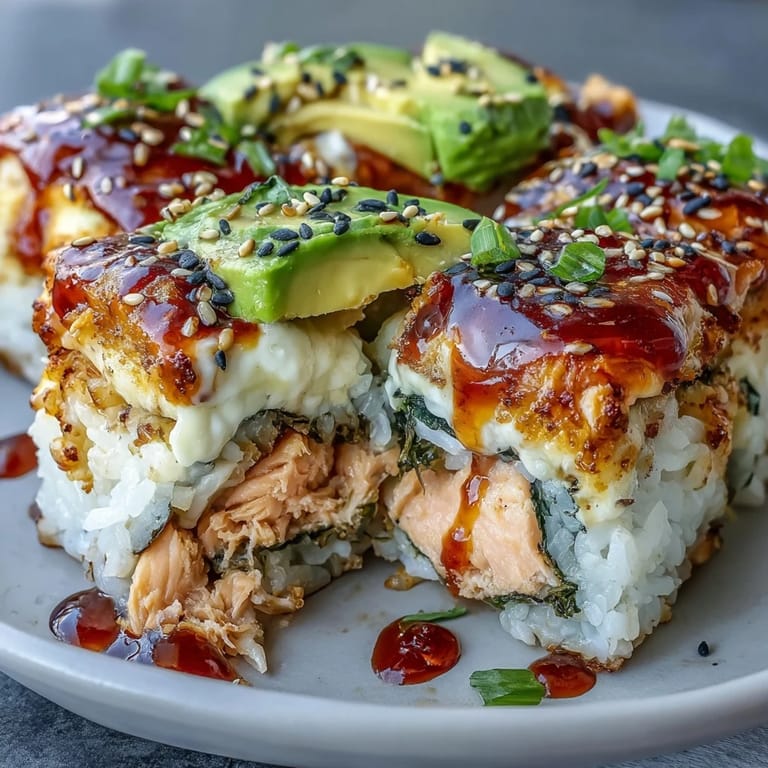
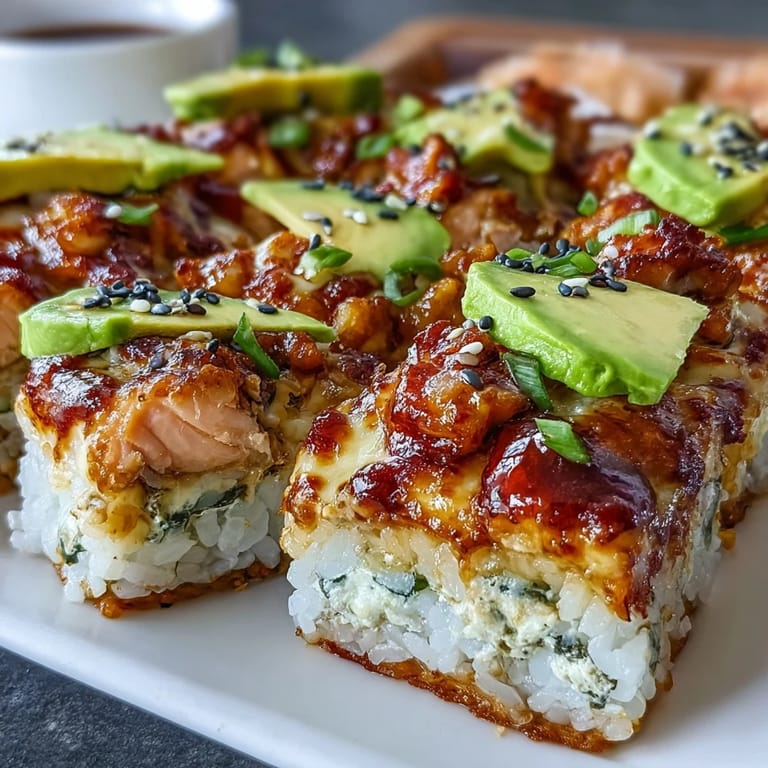
 The first time my roommate brought this home from a family gathering, she described it as 'sushi casserole' and I honestly didnt know what to expect. One bite of that bubbling, spicy salmon over vinegared rice and I was completely converted. Now it's my go-to when I need to feed a crowd without the intimidation of rolling individual maki rolls. There's something magical about how the flavors meld together in the oven.
Last summer I made this for a birthday dinner and watched my friend who claims to 'hate cooked fish' go back for thirds. She kept asking what the secret ingredient was, not believing it could be so simple. That's the thing about this dish—it looks impressive but comes together in under an hour.
Ingredients
- 2 cups sushi rice: Short-grain rice is essential here for that sticky texture that holds everything together
- 2 1/2 cups water: Adjust based on your rice cooker or preferred cooking method
- 3 tablespoons rice vinegar: This gives the rice that distinctive tangy flavor that makes sushi, well, sushi
- 2 tablespoons sugar: Balances the vinegar perfectly
- 1 teaspoon salt: Enhances all the flavors in the rice
- 450 g (1 lb) skinless salmon fillet: Fresh salmon works best but frozen thawed completely is fine too
- 1 tablespoon neutral oil: Canola or vegetable oil prevents the salmon from sticking while baking
- 1/2 cup mayonnaise: Kewpie mayonnaise has that rich authentic flavor but regular works
- 2-3 tablespoons sriracha sauce: Adjust this to your heat tolerance
- 1 tablespoon soy sauce: Adds that umami depth to the salmon mixture
- 2 teaspoons toasted sesame oil: A little goes a long way for that nutty aroma
- 1 tablespoon finely chopped green onion: Fresh contrast to the rich salmon mixture
- 1 sheet nori: Crumbled over the rice for subtle ocean flavor
- 1/2 cup shredded mozzarella cheese: Optional but creates this amazing bubbly topping
- 1 tablespoon toasted sesame seeds: For that restaurant finish
- 1 avocado: Sliced fresh to cool down the heat
- 3 sheets roasted seaweed snacks: Perfect vessels for scooping
Tired of Takeout? 🥡
Get 10 meals you can make faster than delivery arrives. Seriously.
One email. No spam. Unsubscribe anytime.
Instructions
- Prepare the sushi rice base:
- Rinse the rice until the water runs clear then cook with 2 1/2 cups water. While it cooks, heat the vinegar, sugar, and salt until dissolved. Fold this seasoning gently through the warm rice and let it cool slightly.
- Make the spicy salmon filling:
- Bake the salmon at 200°C (400°F) for 12-15 minutes until cooked through. Let it cool slightly then flake it with a fork. Mix with the mayonnaise, sriracha, soy sauce, sesame oil, and green onions until well combined.
- Assemble the bake:
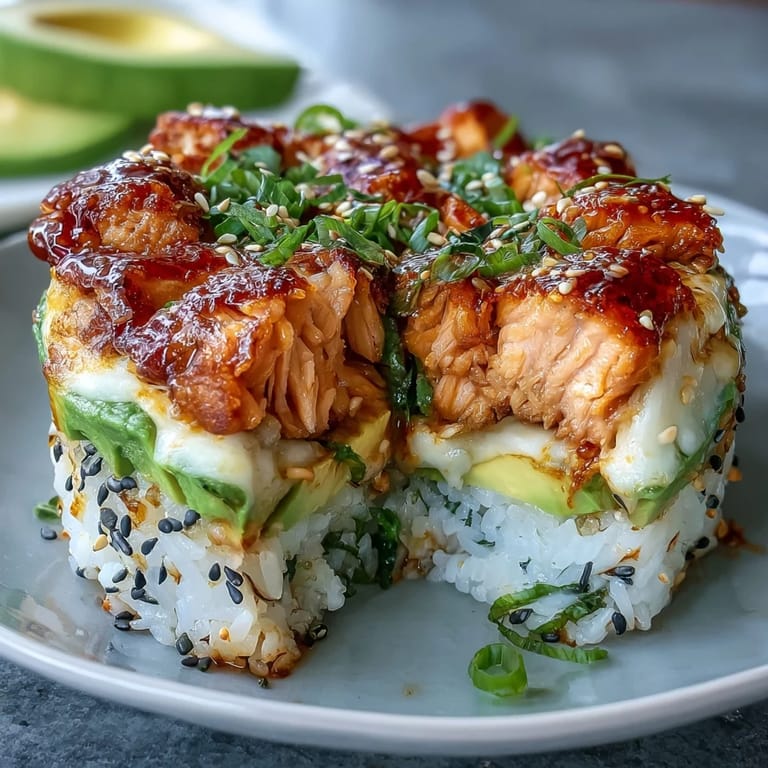
- Spread the seasoned rice in an oiled 9x9-inch baking dish. Sprinkle crumbled nori over the rice then spoon the spicy salmon mixture evenly on top. Add mozzarella cheese if using.
- Bake until bubbly:
- Bake at 200°C (400°F) for 10-12 minutes until everything is heated through and the cheese is melted. Let it rest for 5 minutes before topping with sesame seeds, avocado, and extra sauces.
 Pin It
 My sister now requests this every time she visits, saying it tastes better than our favorite sushi place. I love watching everyone gather around the dish, customizing their portions with extra avocado or sriracha. It's become more than just dinner, it's an experience we share together.
Making It Your Own
Once you master the basic version, try switching up the protein with cooked crab or even shrimp. The beauty of this dish is how forgiving it is with substitutions while still delivering that satisfying sushi flavor profile.
Prep Ahead Strategy
You can cook and season the rice up to a day in advance, storing it in the refrigerator. The salmon mixture can also be prepared a few hours ahead and kept chilled. When ready, just assemble and bake for an easy dinner party main.
Serving Suggestions
Set up a toppings bar with cucumber, pickled radish, extra green onions, and masago for guests to customize. Offer both roasted seaweed snacks and small bowls for people who prefer using chopsticks. A cold sake or crisp white wine makes the perfect pairing.
- Keep extra sriracha and mayonnaise at the table for last minute drizzling
- Have nori sheets ready for those who want to make little hand rolls
- Serve with a simple cucumber salad on the side
 Pin It
 There's something so satisfying about watching people discover this dish for the first time. Hope it brings as much joy to your table as it has to mine.
Recipe Questions & Answers
- → What kind of salmon is best to use for this bake?
Skinless salmon fillet is ideal for this bake, as it flakes easily after cooking. You can use either fresh or thawed frozen fillets for the best results.
- → Can I prepare components of this dish ahead of time?
Yes, you can cook and season the sushi rice in advance, storing it covered in the refrigerator. The salmon can also be baked and flaked, then mixed with the spicy mayo blend, and stored separately. Assemble and bake just before serving for optimal freshness.
- → What if I don't have Kewpie mayonnaise?
While Kewpie mayonnaise offers a distinct rich flavor, any good quality regular mayonnaise will work well as a substitute. If using a different brand, you might need to adjust the sriracha and soy sauce quantities slightly to match your preferred taste.
- → Are there any substitutions for salmon in this dish?
Absolutely! For a different flavor or dietary need, you can substitute salmon with cooked crab meat, imitation crab, or even flaked canned tuna for a budget-friendly option. Ensure any substitute is cooked and flaked before mixing with the spicy sauce blend.
- → How should I serve this baked dish once it's ready?
Serve this dish warm, directly from the baking dish. It’s traditionally scooped onto roasted seaweed snacks, but also pairs wonderfully with fresh cucumber slices, additional avocado, or even as a standalone main course. Drizzle extra sriracha and mayonnaise for added flair.
- → How long do leftovers last and what's the best way to store them?
Leftovers should be stored in an airtight container in the refrigerator for up to 2-3 days. Reheat gently in the microwave or oven until warmed through. Please note that the texture of the rice might change slightly upon reheating.